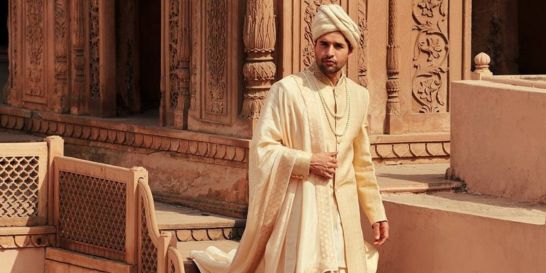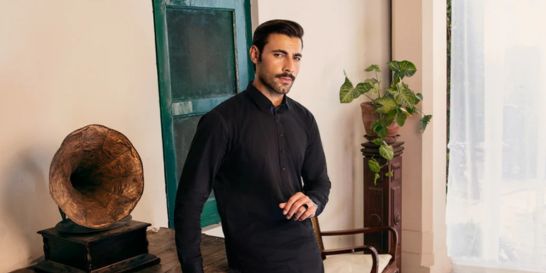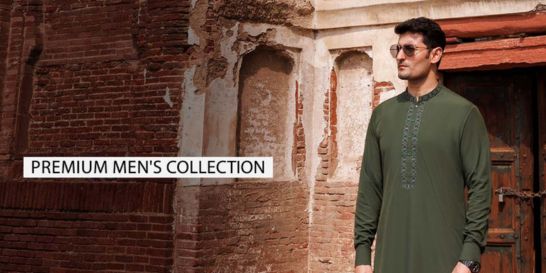

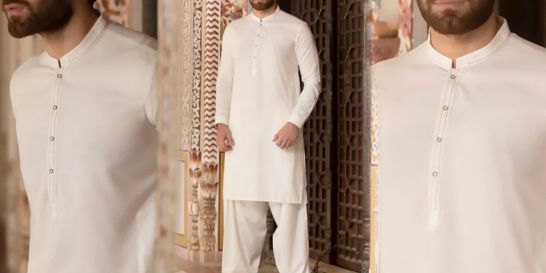
The Classical Beauty of Kameez: A Journey into South Asian Culture in a world where fashion is created and discarded like the proverbial blink of an eye, there exists a type of clothing that defies time, telling a tale of intergenerational history. Emerging kameez- a masterpiece of South Asian beauty and culture. Its smooth shape, luxurious materials, and its elaborate decorations easily blend the old and the new with its timeless nature. We will be taking a trip into the past and into the culture, to find out how the kameez started so humbly but has since then become a symbol of beauty worn on runways and in real life as well. We will be unveiling the layers of this favorite garment, and not only will you see its aesthetic beauty but also the traditions of many years within it!
Introduction to Kameez and its background
Kameez is not only a garment but it is a legacy, it is a display of sophistication and a cultural identity. It is a timeless piece which has been internalized in the South Asian tradition that has transcended the generations. The kameez boasts of a very good history and stories of glamour and it is this that makes it an indispensable feature of modern fashion that connects with the wearers. The beauty of the kameez will not fail to impress anybody who will pass through crowded market places, or during festive seasons. It is easily combined with comfort and style and has unlimited customizing and styling options. We will see this magical garment, its genesis and development and we will celebrate its perennial popularity in different societies of South Asia.
Development of Kameez in South Asian society
The kameez has strong connections with South Asian culture dating back hundreds of years. Initially a plain piece of clothing that served as a comforter and something convenient to use, it became popular in different areas.With time, the design changed radically. During its initial years the salwar kameez was usually crafted with plain fabrics. Embellishments and intricate embroideries are a skillful work today.Its identity was also influenced by the region. The Punjab kameez is colorful and of a unique cut and the Sindhi one is of heavy fabric with striking designs. Both styles narrate a story of cultural heritage.With the development of society fashion sensibilities also developed. The kameez that was the conventional garment took on a new twist without sacrificing its spirit, a mark of its versatility and timeless place in the South Asian communities.
Kameez differences in styles across regions
The kameez exhibits a magnificent selection of designs in various parts of South Asia. In Punjab, there is the phulkari embroidery, which makes this traditional dress colorful and traditional. The plain and sleek figure is usually accompanied with a dupatta of the same color. Kameez in the deserts of Rajasthan assume bold designs and heavy material with elaborate mirror work. The variations in this region depict its cultural background with captivating designs.The kameez is worn in Tamil Nadu, in the southern part, which is made of lighter fabrics like cotton or silk in the form of delicate designs. In this case, it frequently has a curved neckline and loose fit that is comfortable during hot temperatures.Meanwhile, this conventional work has been modernized in such cities like Karachi whereby westernization has been introduced in its outlines. Crafted to fit and up-to-date embellishments reinvent the grace without losing connection to the past. Every regional variation has its own narrative, which can be seen in the selection of fabrics and design elements.
Fabric and design elements of Kameez
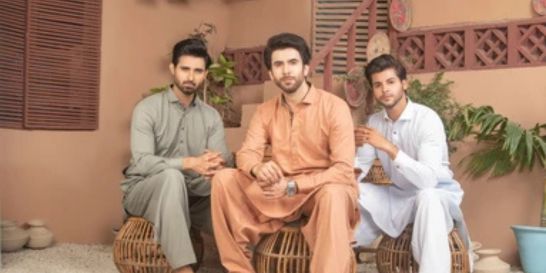
Kameez shows the abundance of cloth possibilities, all of which contributes to its beauty. Cotton and silk are the traditional fabrics, which can be used in everyday life and at festivals as they are very comfortable and beautiful.Embroideries are very crucial in adding beauty to the cotton salwar kameez. Complex designs, frequently done by hand, are used to produce beautiful visual stories, representative of regional artistry. From the colorful thread work of Punjab to the fine motifs of Kashmir, each work has a story to share.Color schemes are also very varied. Bright colors prevail on the celebrations and the pastels are applied in the daily wear. The design details like necklines will also be very diverse, they can be round, V-shaped or adorned with lace, and this can transform the vibe of a garment dramatically.Combined with these fabrics and designs, the kameez has continued to be a constantly changing representation of culture and individual style among the South Asian communities.
Styling a Kameez according to different events
Depending on the occasion, styling a kameez can be quite different. Going out light, wear light things, e.g., cotton, linen. Combine it with simple jeans or leggings to make the outfit both casual and stylish.The decoration is necessary in the case of celebrations. Locate kameez that have large embroidery or sequins. So wear it with churidars and statement jewelry and take your outfit to the next level.Professionally, choose a tailor made kameez of solid color or soft patterns. An office attire consisting of a neatly pressed figure with trousers is both an elegant outfit and comfortable.Evening events require more luxurious fabrics like silk or velvet. Play with longer lengths and flowy cuts that will add sophistication but will make you feel graceful all night long.It is important to keep in mind that accessories are also crucial; they can make you look totally different in a daytime to a nighttime without much effort.
Kameez in South Asian culture
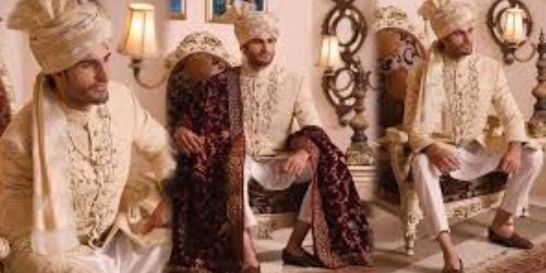
The kameez is a cultural icon of the South Asians. It symbolizes not just fashion but also identity and heritage. This fine garment has been handed down by generations and generations, stories of love and tradition have been stitched into the garment.The kameez is worn on special occasions in a person’s life such as weddings and festivals and it links people with their history. It promotes a feeling of belonging together because people tend to dress in a certain way that identifies them with a particular region or family.Moreover, the kameez kameez transcends age barriers. Young girls and grandmothers all are in agreement that it is beautiful in its versatility. This mutual understanding unites the family members of various generations.The pride in culture is interwoven with the way it is worn- every stitch has stories of the past, and strength. The kameez is a canvas on which art can be expressed and the heritage in modern contexts is respected.
The current reinterpretations and amalgamation of Kameez
The kameez has beautifully compelled itself to the modern and fashionable world, divulging fusion styles that play a tune to the modern times. The designers are toying with lines and shapes, with the old and the new.A combination of kameez and western clothes is one of the popular adaptations. Consider combining it with denim jeans or customized trousers to make it look stylish and comfortable. This combination enables wearers to be unique Unconventional fabrics and prints are another trend to look forward to.. Bold geometrical patterns, vivid tie-dye effects, and so on, these improvements live up the traditional silhouette.Accessories are important in this change as well. Fashion shoes and statement jewelry make the kameez more than just an ordinary garment and puts it on the runway.These are the adaptations being displayed by social media influencers, who are encouraging a new generation to be creative and adopt the kameez in a variety of ways that can be considered personal style and still be a way to celebrate tradition.
Keeping the classic sophistication of Kameez in modern trends of fashion
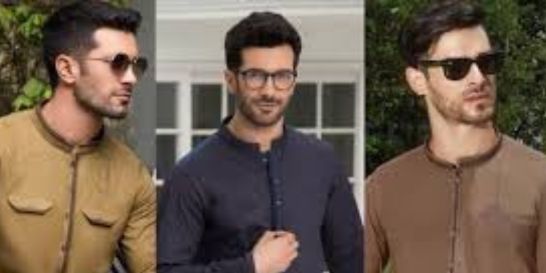
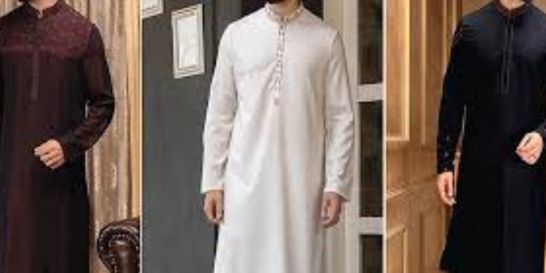
The kameez has been synonymous with style and elegance. In the modern fashion world, it has not become obsolete as it has adopted the modern trends without losing its classic nature.To retain such ancient sophistication, designers are mixing vintage cuts with contemporary materials. The shalwar kameez men is enhanced with luxurious silks and breathable cottons to be worn on an everyday basis or during special events.Accessorizing is also a very important aspect. The kameez can be paired with statement jewelry which will instantly change the appearance of the kameez. The outfit is made more interesting by a simple pair of earrings or a highly designed dupatta. Even colour palettes have changed. As vivid colors pay tribute to the cultural heritage, the dull colors serve minimalistic style without losing its beauty.Mixing styles is another exciting avenue. A jacket worn over a kameez is personal and gives a new look to a kameez and people can easily add a personal touch with a jacket. With this flexibility, the wearing of a kameez is still pertinent and stylish in the modern world.
Conclusion: Why Kameez has remained a favorite traditional garment
The kameez is an ode to the rich South Asian tradition. Not only is the fabric or design so appealing, but the stories of each work are so appealing. This clothing has been adopted by generations, and it has become a part of culture.The kameez is a multi-purpose garment, both as an everyday-wear and as a special occasion. It can easily fit in different events yet still has its grace. Things evolve and so does the kameez- a blend of tradition and modernity.Its meaning goes beyond being a simple fashion; it is a part of family and community values. The everlasting popularity of the kameez can be seen in the fact that it can still unite people and enjoy their common past and heritage.In case you are contemplating your own wardrobe dressing, consider how a kameez will suit your fashion without being a scandal. This garment is more than clothing; it’s a connection to roots that many cherish deeply. The kameez has withstood the test of time and it has been proven to be versatile; people who believe in both style and substance in dressmaking have made it a favorite.